Why Empathy Matters More Than Ever
In a world that’s getting faster, busier and more digital every single day, emotional intelligence has quietly become one of the most valuable skills a child can learn. At the Best Preschool in New Delhi, we believe empathy — the ability to understand and share others’ feelings — is not just a nice-to-have, it’s a life skill every child deserves to learn from their earliest years.
Children today grow up surrounded by comfort, screens, and competition. Without being taught empathy and kindness, they may grow detached or even snobbish without realizing it. That’s why at Modern Early, Deepali — we focus on creating a warm, respectful, and emotionally aware environment where children learn to care as much as they learn to count or write.
Empathy helps kids build genuine friendships, resolve conflicts peacefully, and become more tolerant and compassionate. But the question is — how do we raise empathetic children in today’s fast, often self-focused world?
Here’s what research and experience tells us, along with a few everyday tips that actually work.
Children don’t learn empathy from lectures — they learn it from what they see. If you’re kind to others, respectful to the guard, or gentle with a pet, your child is learning every second. Talk about feelings openly. Instead of saying “Stop crying,” try “I see you’re sad — do you want to talk about it?”
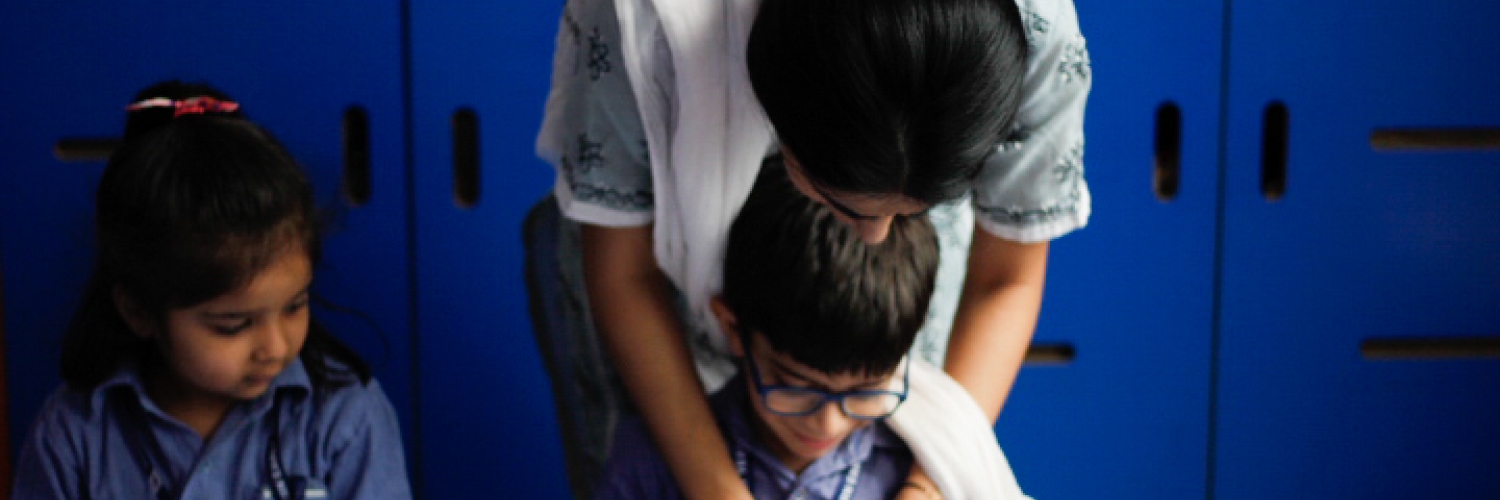
At the Best Playschool Pitampura New Delhi, our educators lead by example. They model empathy every single day, whether it’s by listening patiently, comforting a friend, or saying sorry when they make a mistake. Children observe, imitate, and slowly internalize this kind of behavior.
Most young children act out because they don’t know how to describe what they feel. When parents name emotions, they help children make sense of their world.
Say things like “You look frustrated that your tower fell,” or “That made you super happy, didn’t it?” Read books together and ask, “How do you think this character felt?” This not only builds emotional vocabulary but also empathy.
At Modern Early, we use storytime and imaginative play to teach kids how to express emotions with words rather than tantrums. Once they can name it, they can manage it.
Empathy is about understanding that others have feelings, too — feelings that might be different from yours. Encourage your child to look at situations from another person’s point of view.
For example, “What do you think your friend felt when you didn’t share the toy?” or “If you were in his shoes, what would you want someone to do?”
At our Best Preschools in Pitampura Delhi, we often role-play situations from everyday life to help children imagine themselves in others’ shoes. Sometimes, we even use puppets or storytelling — simple but powerful ways to grow emotional understanding.
Children thrive when their positive actions are noticed. If your little one helps a friend or comforts someone, acknowledge it. Say, “That was very kind of you!” rather than just “Good job.”
Create a family kindness jar — drop in notes every time someone does something thoughtful. These small recognitions add up, shaping lifelong habits of compassion.